Synopsis
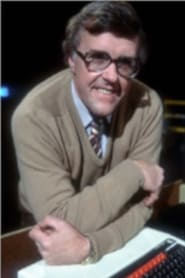
The Computer Programme was a TV series, produced by Paul Kriwaczek, originally broadcast by the BBC in 1982. The idea behind the series was to introduce people to computers and show them what they were capable of. The BBC wanted to use their own computer, so the BBC Micro was developed as part of the BBC Computer Literacy Project, and was featured in this series. The series was successful enough for two series to follow it, namely Making the Most of the Micro in 1983 and Micro Live from 1984 until 1987.
Episodes
Season 11 It's Happening Now"Don't expect the computer revolution to happen tomorrow, it's going on all around us." Chris Serle, Ian McNaught-Davis and Gill Nevill begin their exploration of the world of Information Science and ask: 'What can computers do for us? Who is using them now, and where is this technology likely to lead?25m2Just One Thing After AnotherCHRIS SERLE, IAN MCNAUGHT-DAVIS and Gill Nevill, continue their exploration of the world of information science. Even the most elaborate and sophisticated computer programs are made up of only a few types of relatively simple steps. The art of computer programming lies in combining these into ever more complex combinations.25m3Talking to a MachineCHRIS SERLE, IAN MCNAUGHT-DAVIS and GILL NEVILL continue their exploration of the world of information science. The difficulty of communicating with computers is that they are machines and we are people. The common language we share can turn out to be a lot more like English than we might expect.25m4It's on the ComputerCHRIS SERLE, IAN MCNAUGHT-DAVIS and GILL NEVILL continue their exploration of the world of information science. Storing information is what the great majority of computers are used for. But how much can they hold, and how can the stored information be easily retrieved?25m5The New MediaCHRIS SERLE, IAN MCNAUGHT-DAVIS and GILL NEVILL continue their exploration of the world of Information Science. 5: The New Media : The greatest public impact of information technology is likely to be in the provision of new means of communication.25m6Moving PicturesCHRIS SERLE, IAN MCNAUGHT-DAVIS and GILL NEVILL continue their exploration of the world of information science. For many people games, with their elaborate visual displays, are the most commonly encountered aspect of computer technology. But generating sound and pictures from a computer is no different to manipulating text.25m7Let's PretendCHRIS SERLE, IAN MCNAUGHT-DAVIS and GILL NEVILL continue their exploration of the world of information science. 7: Let's Pretend: Training space-shuttle pilots, or testing bridges to destruction, is normally too costly or too dangerous to do on the real thing. But by giving a computer an exact description of how a complicated system behaves, it can mimic anything from the British economy to the world's weather.25m8The Thinking MachineCHRIS SERLE, IAN MCNAUGHT-DAVIS and GILL NEVILL continue their exploration of the world of information science 8: The Thinking Machine: In spite of years of investment in the development of intelligent machines, computer scientists are still a long way from equalling human thought, let alone surpassing it. The future, however, may yet present us with great surprises.25m9In ControlCHRIS SERLE, IAN MCNAUGHT-DAVIS, GILL NEVILL 9: In Control: By far the greatest number of computers with which we will come into contact in the future will be invisible. They will be the microprocessors built into many of our domestic appliances, replacing many of the mechanical systems that we use today, with greatly improved reliability, flexibility, and at low cost.25m10Things to ComeCHRIS SERLE, IAN MCNAUGHT-DAVIS and GILL NEVILL continue their exploration of the world of information science. Things to Come: Information technology has the power to change the face of our society completely by taking over the work of a large majority of the population. But will this be allowed to happen, and which aspects of our economic life are most likely to be affected?25m
It's Happening Now"Don't expect the computer revolution to happen tomorrow, it's going on all around us." Chris Serle, Ian McNaught-Davis and Gill Nevill begin their exploration of the world of Information Science and ask: 'What can computers do for us? Who is using them now, and where is this technology likely to lead?25m2Just One Thing After AnotherCHRIS SERLE, IAN MCNAUGHT-DAVIS and Gill Nevill, continue their exploration of the world of information science. Even the most elaborate and sophisticated computer programs are made up of only a few types of relatively simple steps. The art of computer programming lies in combining these into ever more complex combinations.25m3Talking to a MachineCHRIS SERLE, IAN MCNAUGHT-DAVIS and GILL NEVILL continue their exploration of the world of information science. The difficulty of communicating with computers is that they are machines and we are people. The common language we share can turn out to be a lot more like English than we might expect.25m4It's on the ComputerCHRIS SERLE, IAN MCNAUGHT-DAVIS and GILL NEVILL continue their exploration of the world of information science. Storing information is what the great majority of computers are used for. But how much can they hold, and how can the stored information be easily retrieved?25m5The New MediaCHRIS SERLE, IAN MCNAUGHT-DAVIS and GILL NEVILL continue their exploration of the world of Information Science. 5: The New Media : The greatest public impact of information technology is likely to be in the provision of new means of communication.25m6Moving PicturesCHRIS SERLE, IAN MCNAUGHT-DAVIS and GILL NEVILL continue their exploration of the world of information science. For many people games, with their elaborate visual displays, are the most commonly encountered aspect of computer technology. But generating sound and pictures from a computer is no different to manipulating text.25m7Let's PretendCHRIS SERLE, IAN MCNAUGHT-DAVIS and GILL NEVILL continue their exploration of the world of information science. 7: Let's Pretend: Training space-shuttle pilots, or testing bridges to destruction, is normally too costly or too dangerous to do on the real thing. But by giving a computer an exact description of how a complicated system behaves, it can mimic anything from the British economy to the world's weather.25m8The Thinking MachineCHRIS SERLE, IAN MCNAUGHT-DAVIS and GILL NEVILL continue their exploration of the world of information science 8: The Thinking Machine: In spite of years of investment in the development of intelligent machines, computer scientists are still a long way from equalling human thought, let alone surpassing it. The future, however, may yet present us with great surprises.25m9In ControlCHRIS SERLE, IAN MCNAUGHT-DAVIS, GILL NEVILL 9: In Control: By far the greatest number of computers with which we will come into contact in the future will be invisible. They will be the microprocessors built into many of our domestic appliances, replacing many of the mechanical systems that we use today, with greatly improved reliability, flexibility, and at low cost.25m10Things to ComeCHRIS SERLE, IAN MCNAUGHT-DAVIS and GILL NEVILL continue their exploration of the world of information science. Things to Come: Information technology has the power to change the face of our society completely by taking over the work of a large majority of the population. But will this be allowed to happen, and which aspects of our economic life are most likely to be affected?25mCast