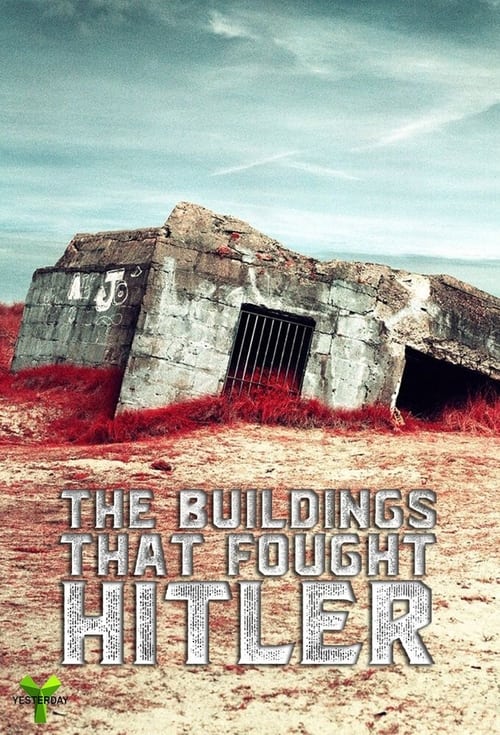
The Buildings That Fought Hitler
★ 5.3·2021·1 seasons · 8 episodes·Series
DocumentaryWar & Politics
Synopsis
Exploring the buildings that were built to defend Britain from a German invasion during World War II. From coastal defences, to secret bases, travel across Britain looking at the buildings that were built to fight Hitler and his advancing army.
Episodes
Season 11 We Shall Fight on the BeachesRob Bell explores the costal defence network built to defend Britain's beaches against invasion during WWII, including a tower in Essex which controlled mines laid across the estuary.45m2
 We Shall Fight Them in the StreetThe physical defence of London was crucial. A ring of steel and concrete was thrown up around the capital as well as utilising natural defences.45m3E3We Shall Fight Them in the FieldsNumerous pill boxes, gun emplacements and dragon's teeth were all tactically positioned to slow the Germans trying to get to the major cities.95m4E4We Shall Fight Them in the AirRAF Kenley is one of the most intact Battle of Britain airfields left standing. Britain was able to resist the German invasion, what gave Britain the edge during WWII was an integrated defence system and RADAR.42m5E5We Shall Never SurrenderReigate Fort was repurposed in preparation for a Nazi invasion of Britain. It was designed to block the Nazi's from getting to London and was set to become the Resistance headquarters should the capital have fallen.45m6E6Keep The Home Fires BurningWith the blitz taking its toll, Britain had to find a way to keep it's manufacturing going. Shadow factories were born and were crucial in the production of ammunition and other wartime essentials.45m7E7Fighting Back by Sea and AirBritain needed to produce vast amounts of ammunition. Chatham Docks on the Medway saw 142 ships set sail, and bomber bases sprung up across the country.45m8E8The Day of DaysRob Bell looks at how the greatest amphibious invasion in human history was being prepared in Southern England and the buildings that helped with the invasion of Normandy on D-Day and Operation Overlord.45m
We Shall Fight on the BeachesRob Bell explores the costal defence network built to defend Britain's beaches against invasion during WWII, including a tower in Essex which controlled mines laid across the estuary.45m2We Shall Fight Them in the StreetThe physical defence of London was crucial. A ring of steel and concrete was thrown up around the capital as well as utilising natural defences.45m3E3We Shall Fight Them in the FieldsNumerous pill boxes, gun emplacements and dragon's teeth were all tactically positioned to slow the Germans trying to get to the major cities.95m4E4We Shall Fight Them in the AirRAF Kenley is one of the most intact Battle of Britain airfields left standing. Britain was able to resist the German invasion, what gave Britain the edge during WWII was an integrated defence system and RADAR.42m5E5We Shall Never SurrenderReigate Fort was repurposed in preparation for a Nazi invasion of Britain. It was designed to block the Nazi's from getting to London and was set to become the Resistance headquarters should the capital have fallen.45m6E6Keep The Home Fires BurningWith the blitz taking its toll, Britain had to find a way to keep it's manufacturing going. Shadow factories were born and were crucial in the production of ammunition and other wartime essentials.45m7E7Fighting Back by Sea and AirBritain needed to produce vast amounts of ammunition. Chatham Docks on the Medway saw 142 ships set sail, and bomber bases sprung up across the country.45m8E8The Day of DaysRob Bell looks at how the greatest amphibious invasion in human history was being prepared in Southern England and the buildings that helped with the invasion of Normandy on D-Day and Operation Overlord.45mCast